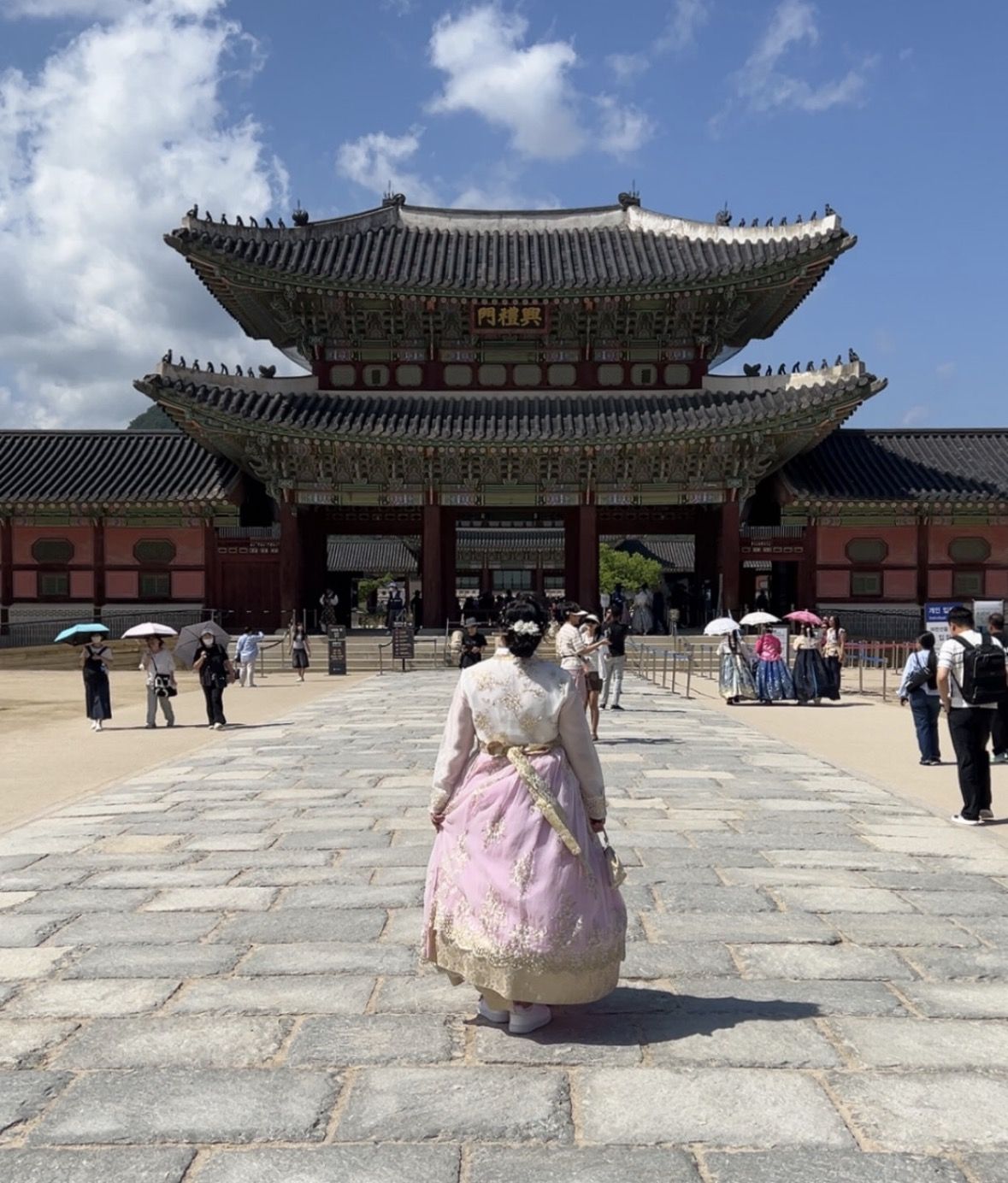
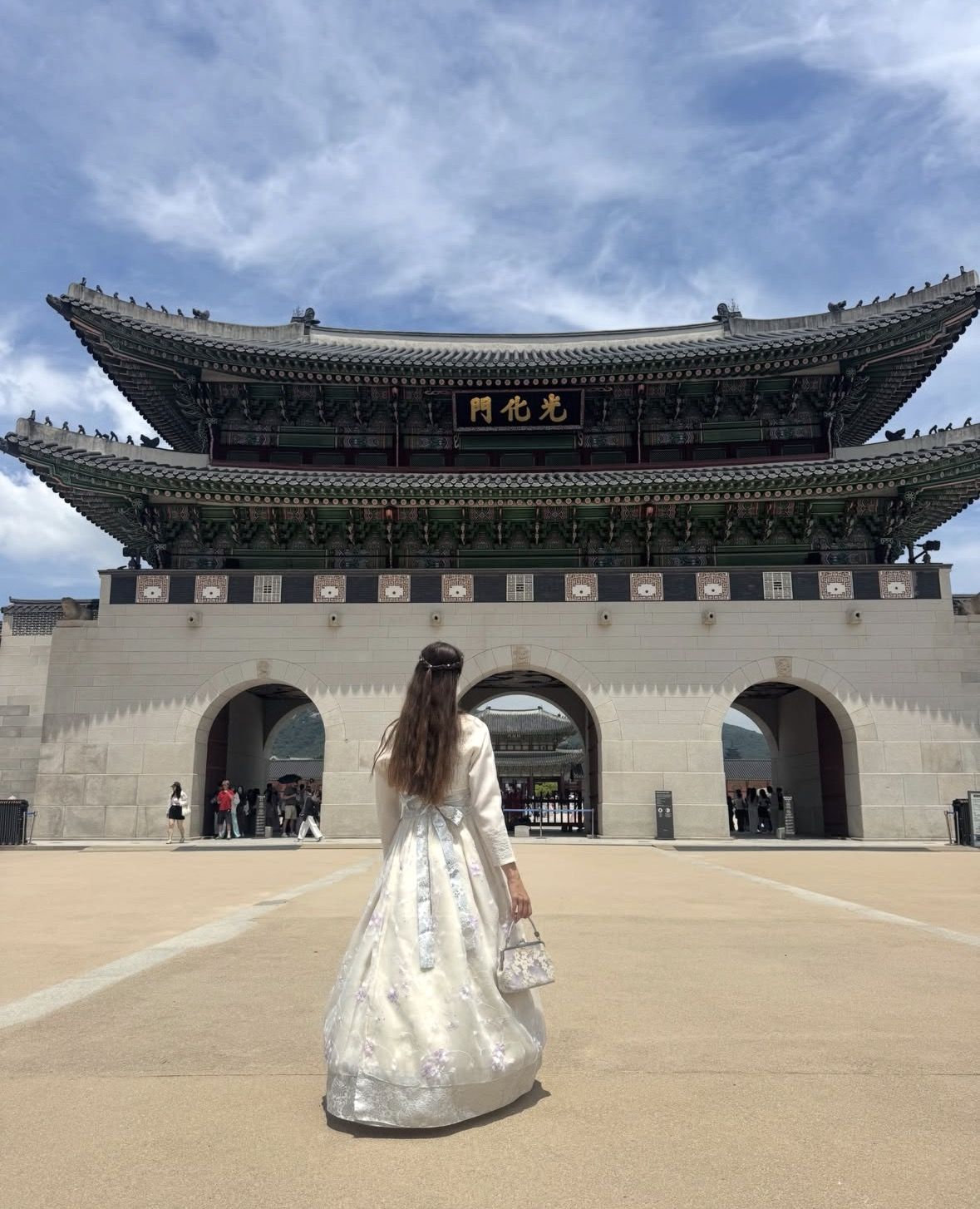
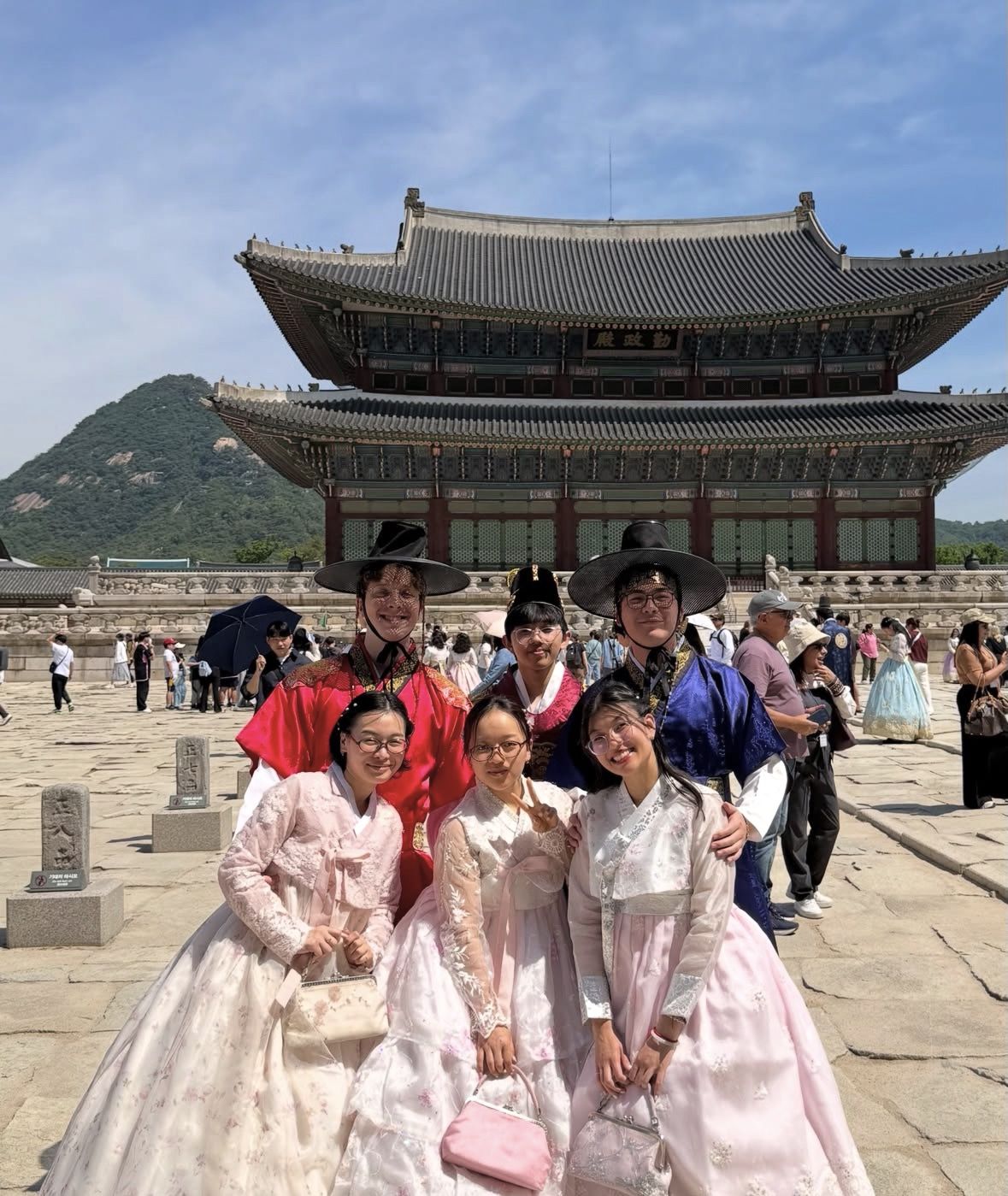
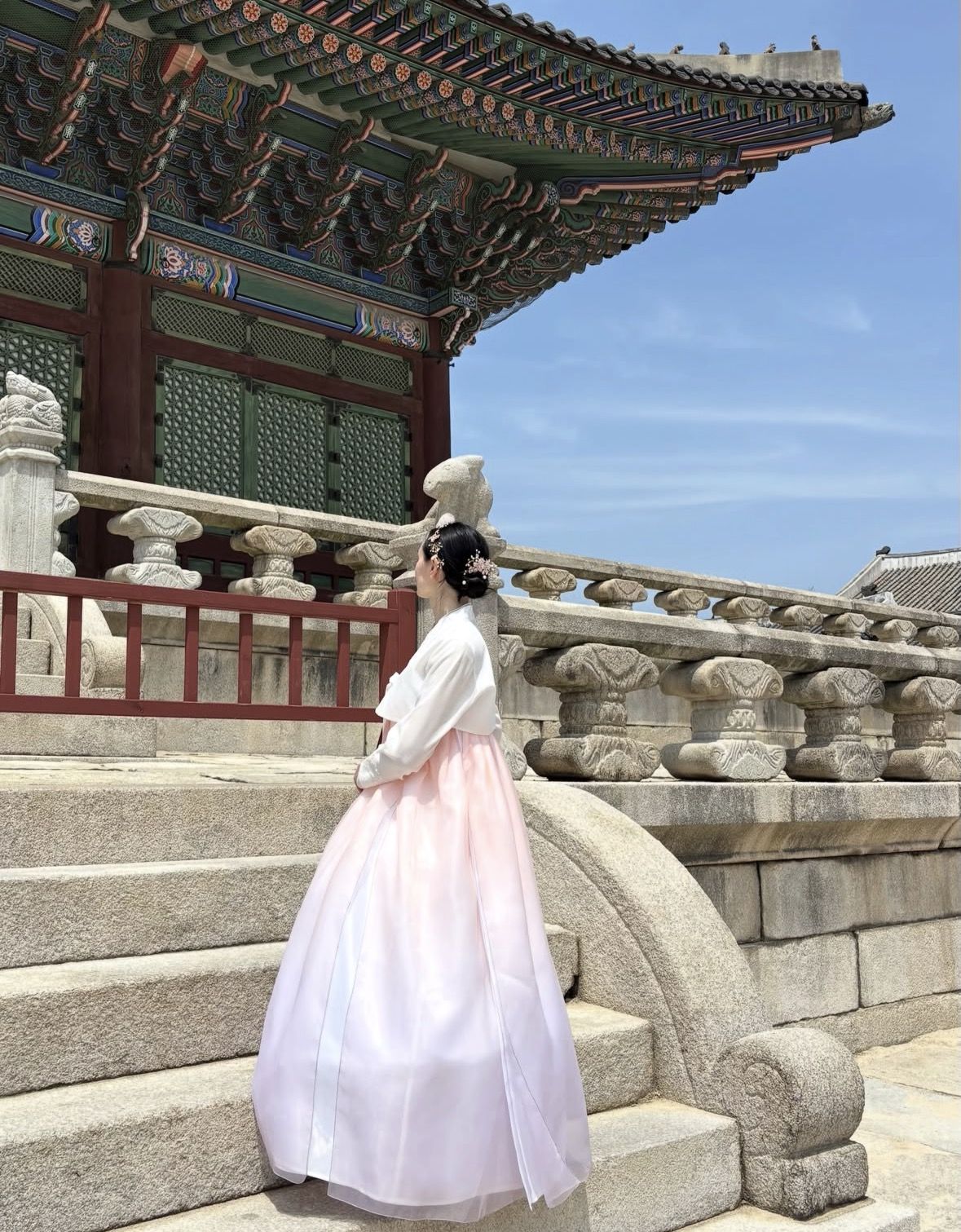
Rising majestically at the foot of Bugaksan Mountain, this 14th-century royal complex is the beating heart of Korea's Joseon Dynasty legacy. From dramatic ceremonial gates to shimmering pavilions reflected in lotus ponds, no visit to Seoul is complete without it.
Featured Tour
The Seoul City Sightseeing Tour Including Gyeongbokgung Palace, N Seoul Tower, and Namsangol Hanok Village is one of the most highly rated ways to discover Seoul in a single day. Rated 4.9 stars across more than 4,000 reviews, this expertly led experience covers the city's most iconic stops with the flexibility to choose between a half-day or full-day itinerary. A knowledgeable guide accompanies you throughout, sharing stories, cultural context, and insider knowledge that you simply cannot get from a self-guided walk. Whether you are a first-time visitor eager to tick off every landmark or a returning traveler seeking deeper cultural insight, this tour delivers an outstanding overview of Seoul's layered history.
About the Destination
Gyeongbokgung Palace sits at the northern end of Sejong-daero, framed by mountains and the modern Seoul skyline. Its 57-hectare grounds pack centuries of Korean royal history into one awe-inspiring destination.
Located in Jongno-gu, central Seoul, the palace complex occupies a dramatic position with Bugaksan Mountain rising directly behind it — a deliberate feng shui choice made by the dynasty's founders. The grand Gwanghwamun Gate faces south toward the city, creating a powerful visual axis that still defines Seoul's urban landscape. Surrounding neighbourhoods like Bukchon Hanok Village and Insadong complement a visit perfectly, offering traditional teahouses, craft galleries, and authentic Korean street food just minutes away.
Founded in 1395 by Yi Seong-gye, the first king of the Joseon Dynasty, the palace served as the political and ceremonial center of Korean rule for over two centuries. Largely destroyed during the Japanese invasion of 1592 and left in ruins for nearly 300 years, it was ambitiously reconstructed from the 1860s onward. The Japanese colonial period brought further damage and deliberate erasure of Korean identity, but decades of post-independence restoration have revived much of its original grandeur, with reconstruction projects still ongoing today.
Visitors today can explore more than 40 restored buildings spread across beautifully landscaped grounds. The atmosphere shifts dramatically with the seasons — cherry blossoms frame stone walls in spring, while fiery autumn foliage reflects in the palace ponds. A Gyeongbokgung Palace guided tour is widely regarded as the best way to absorb the full historical context, though independent exploration with the excellent audio guide is equally rewarding. Arrive early on weekdays to enjoy the grandest spaces without the weekend crowds.
The palace has anchored Korean royal and political life since 1395. Its name literally translates to 'Palace Greatly Blessed by Heaven,' reflecting the divine authority the Joseon kings sought to project.
The complex was razed during the Imjin War in 1592 and left derelict for nearly 270 years before King Gojong ordered a sweeping reconstruction in 1867. Restoration efforts continue to this day.
Free guided tours run daily in Korean, English, Chinese, and Japanese. The Gyeongbokgung Palace English tour departs from the Information Center near Heungnyemun Gate and is ideal for international visitors.
The Gyeongbokgung Palace night tour runs during select spring and autumn periods, offering a completely different atmosphere with illuminated buildings, lantern reflections, and far smaller crowds than daytime visits.
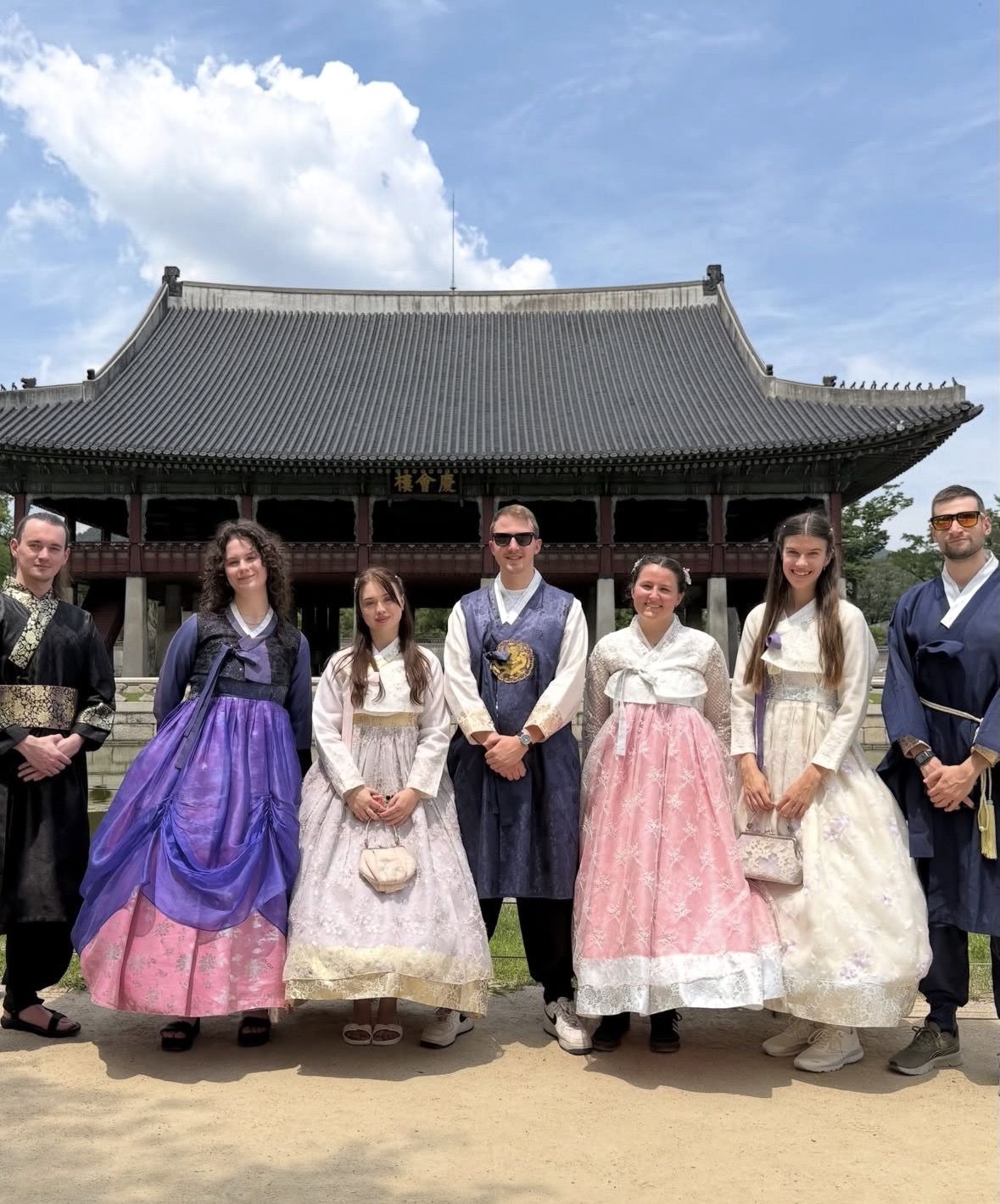
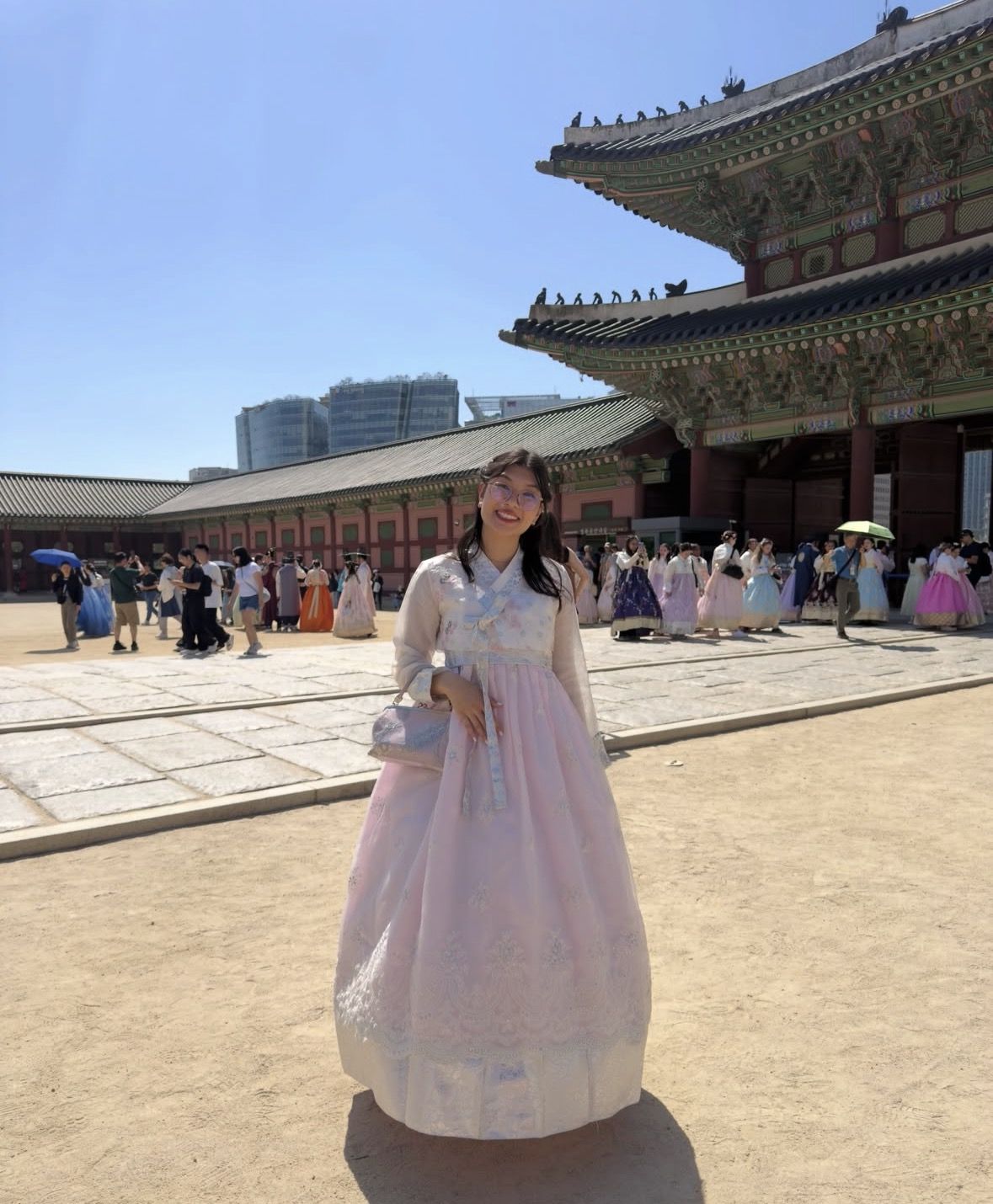
Visitors wearing traditional hanbok dress enter the palace for free. Dozens of rental shops cluster near the main gate, making it easy to dress up, explore the grounds, and create memorable photographs.
The Changing of the Royal Guard at Gwanghwamun Gate takes place daily at 10:00 AM and 2:00 PM. The elaborate procession features historically accurate costumes, weapons, and choreography drawn from Joseon-era records.
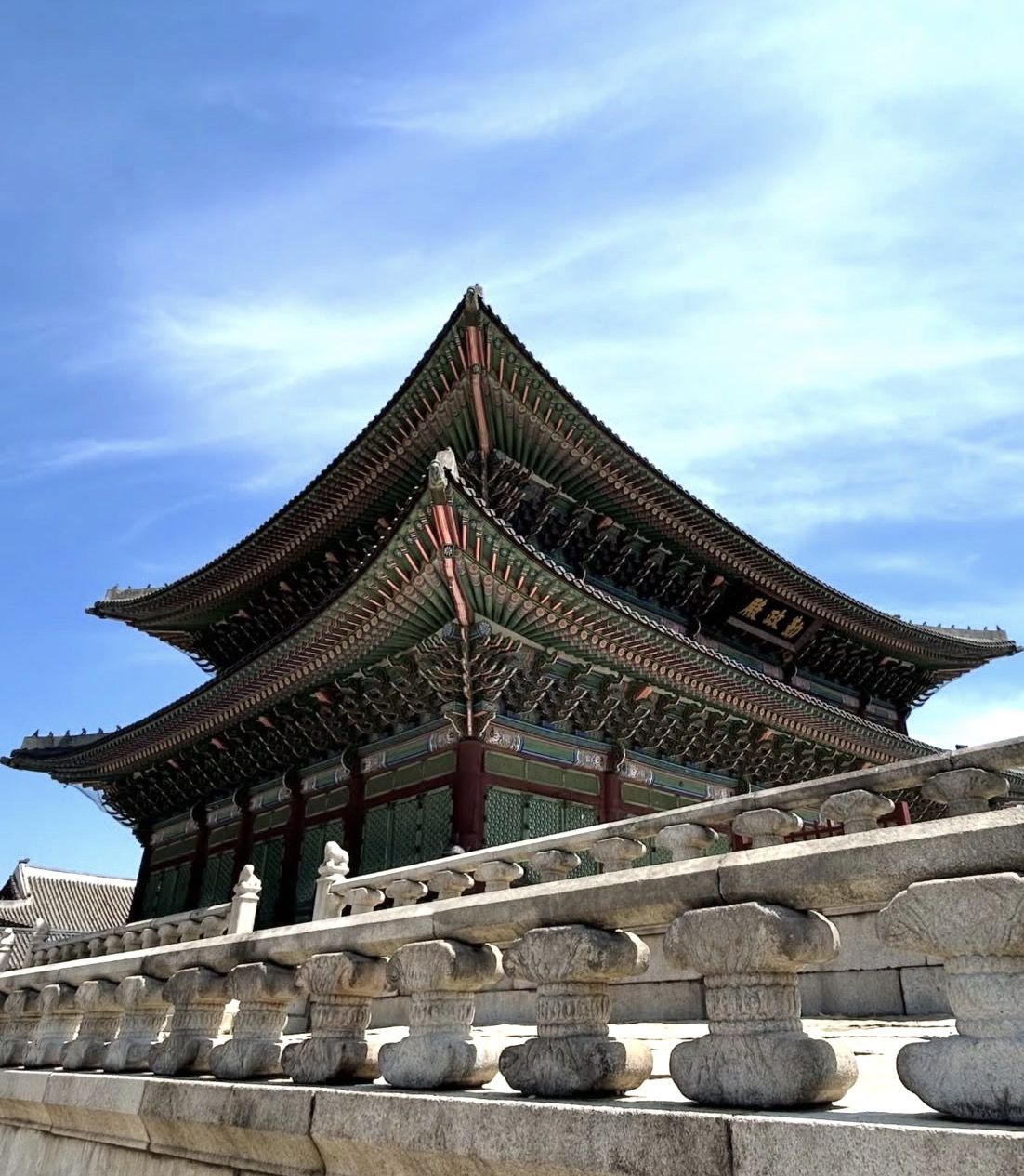
Join a professional guide to decode the palace's layered symbolism, political history, and architectural details. The Gyeongbokgung Palace guided tour covers key structures including Geunjeongjeon Hall, Gyeonghoeru Pavilion, and the royal gardens, typically lasting 60–90 minutes.
The Gyeongbokgung Palace night tour is one of Seoul's most atmospheric seasonal events, available during spring and autumn. Lantern-lit pathways, dramatic building illuminations, and a quieter atmosphere make it a must-book experience — tickets sell out rapidly.
Dress in colourful Joseon-era costume from one of the many nearby rental shops and receive complimentary palace entry. The photogenic backdrops — stone gates, lotus ponds, and tiled rooftops — make this activity hugely popular with visitors of all ages.
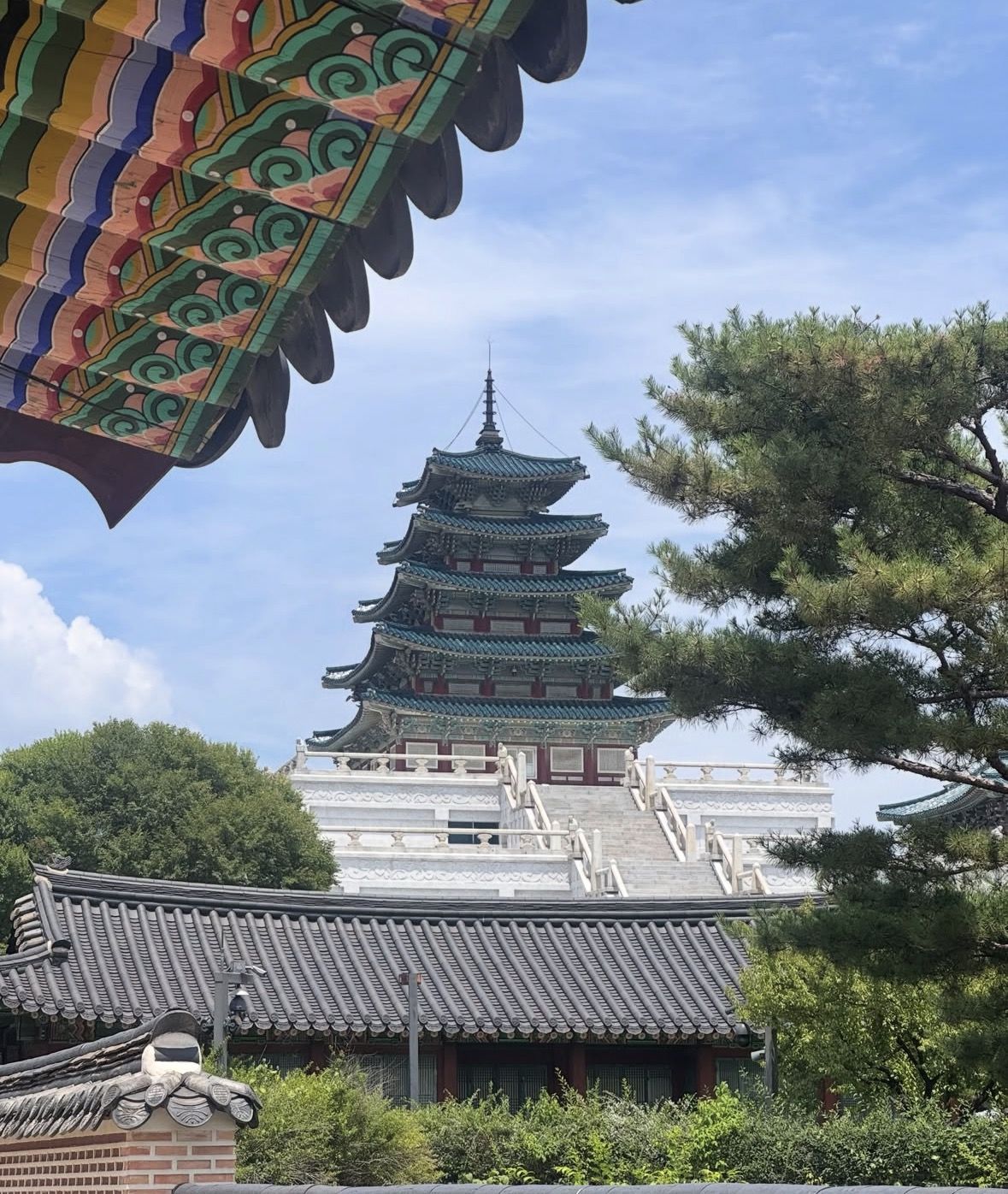
Two exceptional museums sit within the palace grounds: the National Folk Museum of Korea documents everyday Joseon life through artefacts and reconstructions, while the National Palace Museum holds royal treasures, ceramics, and ceremonial objects from the dynasty.
Beyond the grand halls, quieter corners reward slow exploration — the Hyangwonjeong hexagonal pavilion and its surrounding pond are among Seoul's most photographed spots. Early morning light bathes the eastern gardens in a golden glow perfect for photography enthusiasts.
Throughout the year the palace hosts traditional music performances, folk demonstrations, and seasonal festivals. Check the official Korea Tourism Organization calendar before your visit to align your trip with a special event or exhibition.
Weighing Seoul's royal landmark against other historic Asian palace complexes to help you plan the perfect itinerary.
Seoul sits alongside several Asian capitals offering world-class royal heritage sites, and travellers sometimes debate whether Gyeongbokgung Palace warrants priority over iconic alternatives like Beijing's Forbidden City, Tokyo's Imperial Palace, or Bangkok's Grand Palace. Each has its own character, scale, and cultural context. This comparison breaks down the key factors — crowd levels, cost, and standout features — so you can make an informed choice about where to invest your limited travel time and budget.
| Crowds | Price | Best For | What Sets It Apart | |
|---|---|---|---|---|
| ★ Gyeongbokgung Palace | Moderate (heavy weekends) | Very affordable — ~3,000 KRW | History lovers, culture seekers, photographers | Free English guided tours, hanbok entry, seasonal night openings |
| Forbidden City, Beijing | Very high year-round | 60 CNY (~$8 USD) | Scale and imperial grandeur | World's largest palace complex with 9,000 rooms |
| Grand Palace, Bangkok | High, especially mornings | 500 THB (~$14 USD) | Ornate temple architecture, Thai culture | Includes Wat Phra Kaew with the sacred Emerald Buddha |
| Imperial Palace, Tokyo | Low to moderate | Free (East Gardens) | Peaceful garden walks, understated beauty | Working royal residence; interior access very limited |
For travellers who want deep historical immersion at outstanding value, Gyeongbokgung Palace is hard to beat. Free multilingual guided tours, an astonishing entry fee, seasonal night events, and the hanbok experience all add layers unavailable at most rival sites. While Beijing's Forbidden City wins on sheer scale, Seoul's grandest palace wins on accessibility, atmosphere, and the warmth of its cultural programming.
Travel Guide
Everything you need to plan a seamless, rewarding visit to Seoul's most magnificent royal complex.
Seoul is served by two major international airports: Incheon International Airport (ICN), approximately 60 km west of the city center, and Gimpo International Airport (GMP) for regional flights. From Incheon, the AREX express train reaches Seoul Station in about 43 minutes. From Seoul Station and most central districts, the palace is easily reachable by metro in under 20 minutes, making it one of the most accessible landmarks in the city.
Once in Seoul, the easiest way to reach the site is via Line 3 (Orange Line) to Gyeongbokgung Station, exiting at Exit 5 — you'll see the Gwanghwamun Gate almost immediately. Alternatively, Line 5 stops at Gwanghwamun Station (Exit 2), a short walk to the palace's main entrance. Numerous bus routes also stop nearby. Taxis from central Seoul cost roughly 5,000–8,000 KRW and take 10–20 minutes depending on traffic.
Spring (April to early June) and autumn (September to November) are universally considered the best times to visit. In spring, cherry blossoms and azaleas frame the palace's stone architecture in pastel pink and white — a breathtaking contrast. Autumn delivers equally dramatic scenery with fiery maple and ginkgo foliage reflected in the palace ponds. Both seasons also coincide with the special seasonal night tour openings, making them particularly rewarding periods for travellers.
Summer (July–August) brings hot, humid weather and the Korean monsoon season, with heavy rainfall particularly in late July. The grounds can feel oppressive in peak heat, though early morning visits are manageable. Winter (December–February) is cold and occasionally snowy — snow-dusted rooftops create magical photography conditions, and crowds thin considerably. Indoor museum visits pair well with winter trips. Whatever the season, weekday mornings offer the most peaceful experience across the complex.
Comfortable footwear is your single most important item — the palace grounds cover 57 hectares of stone pathways, steps, and gravel paths. Plan to walk 4–8 km during a thorough visit. Bring a refillable water bottle as vending machines are available but sparse inside. A portable phone charger is useful for a full day of photography. If visiting in spring or autumn, a light layer for the morning chill ensures you stay comfortable as temperatures shift throughout the day.
Dress modestly to respect the site's cultural significance — shoulders and knees covered is recommended, especially if attending ceremonies. In summer, pack UV-protective clothing, sunscreen (SPF 50+), and a compact umbrella that doubles as a rain shield during monsoon season. In winter, thermal base layers, a windproof jacket, and gloves are essential. Hanbok renters need no extra clothing — the rental shop provides everything including socks and hair accessories for a complete traditional look.
South Korea is renowned for its polite, orderly culture — queue patiently at ticket booths and during the Guard Ceremony. Photography is encouraged throughout the grounds, but avoid blocking pathways or climbing on structures for a shot. The Gyeongbokgung Palace English tour departs from the Information Center near Heungnyemun Gate at scheduled times (typically 10 AM and 1 PM) — arrive 10 minutes early and confirm the day's schedule at the ticket office, as times occasionally vary by season.
Korea is largely a cash-and-card society — both are accepted at the ticket booth and rental shops. The Korean Won (KRW) is the local currency; ATMs are plentiful near both metro exits. For food, skip the expensive tourist cafés directly opposite the gate and head one block east to Tongui-dong or Bukchon streets for authentic bibimbap and Korean set lunches at a fraction of the price. Download the Naver Map app — it outperforms Google Maps for Seoul transit directions and walking routes.
South Korea requires no specific vaccinations for most Western travellers, but staying up to date on routine immunisations (tetanus, hepatitis A, flu) is always advisable. The country has excellent public healthcare — hospitals in central Seoul are world-class and many have international patient centres with English-speaking staff. Travel insurance covering medical evacuation is recommended for all international visitors. Air quality in Seoul can dip during yellow dust (hwangsa) season in spring — check the AirKorea app before your visit.
Seoul is one of Asia's safest cities for tourists, with very low violent crime rates. Petty theft is rare but standard precautions apply — keep valuables in a zipped bag and be aware in crowded ceremonial areas. In summer, heatstroke is a genuine risk on exposed stone plazas — hydrate frequently and seek shade in the museum buildings during peak afternoon heat. Emergency services: dial 112 for police, 119 for fire and ambulance. The tourist helpline (1330) operates 24/7 in English, Chinese, Japanese, and Korean.
Explore More
The palace sits at the center of Seoul's richest cultural district — these nearby landmarks turn a single-site visit into a full day of discovery.

The Seoul City Sightseeing Tour Including Gyeongbokgung Palace, N Seoul Tower, and Namsangol Hanok Village is one of the most highly rated ways to discover Seoul in a single day.
Check this tour →
The Best Seoul City Tour (Gyeongbokgung Palace,Insadong,Namsan Tower) is the ultimate way to experience Korea's magnificent capital in a single, seamlessly organized day.
Check this tour →
The Small-Group Seoul Tour with Gyeongbokgung Palace (hotel pick-up) is the most convenient way to experience Seoul's historic core without the hassle of navigating public…
Check this tour →
The Seoul: Gyeongbok Palace, Hanok Village, and Gwangjang Tour is the most complete way to experience Korea's royal and cultural legacy in a single day.
Check this tour →
The Seoul Gyeongbokgung Hanbok Photoshoot & Korean History Tour is your chance to truly step inside Korean history rather than just observe it.
Check this tour →
The Korean Palace and Temple Tour in Seoul: Gyeongbokgung Palace and Jogyesa Temple is the perfect introduction to Korea's extraordinary cultural legacy.
Check this tour →
The Seoul City Half Day Tour Gyeongbok Palace Guard Changing Ceremony is your passport to Seoul's most iconic royal and cultural landmarks, all wrapped into an efficient 3.5-hour…
Check this tour →Traveler Reviews
Travelers from around the world share their experiences exploring Gyeongbokgung Palace and its remarkable history.
"Visiting this magnificent palace was the absolute highlight of our Seoul trip. We booked the gyeongbokgung palace guided tour and our English-speaking guide brought every building and courtyard to life with fascinating stories about the Joseon Dynasty. The Geunjeongjeon throne hall is simply breathtaking, and we happened to catch the Changing of the Royal Guard ceremony right on time. I'd strongly recommend arriving early in the morning before the crowds build up — the atmosphere is truly magical."
"We wore hanbok for our visit and it was one of the best decisions we made — not only do you get free entry, but the photo opportunities are absolutely stunning. The staff were incredibly welcoming and the grounds are immaculately maintained. The Gyeonghoeru Pavilion reflecting in the lotus pond took our breath away. We'll definitely come back on a future trip to Seoul."
"The palace grounds are vast and genuinely impressive, with so much history packed into every corner. We joined the gyeongbokgung palace english tour that departs from Heungnyemun Gate, and our guide was knowledgeable and engaging throughout. The only minor downside was that some of the restoration areas were fenced off, which limited a few photo spots. Still, the National Folk Museum on-site was an excellent bonus that we hadn't expected to enjoy so much."
"Honestly one of the most awe-inspiring historical sites I have ever visited anywhere in Asia. The sheer scale of the complex, with its mountain backdrop and traditional architecture, is something photographs simply cannot do justice. We visited in spring when the cherry blossoms were out and the whole place felt like a living painting. Highly recommend the free guided tour — it adds so much context to what you're seeing."
"We did the gyeongbokgung palace night tour on a crisp autumn evening and it was an absolutely unforgettable experience. The illuminated gates and pavilions cast golden reflections across the ponds, creating an atmosphere that felt completely different from a daytime visit. Tickets for the night tour sell out fast, so book well in advance. This is easily one of Seoul's most special after-dark experiences."
"A wonderful way to spend a full day immersed in Korean royal history. The admission price is remarkably affordable given the scale and quality of what's on offer. We particularly loved exploring the National Palace Museum, which provides excellent context for the artifacts and architecture you see throughout the grounds. It does get very busy on weekends, so a weekday morning visit is a smarter choice if your schedule allows."
"The guided tour in English was worth every minute — our guide explained the symbolic meaning behind the architectural layout and the animal figures on the roof ridges, details I never would have noticed on my own. The connection to King Sejong the Great and the creation of Hangul gave the visit a real sense of cultural depth. It's one thing to see the buildings; it's another to truly understand what they meant to the people who lived here. An absolute must for any first-time visitor to Seoul."
"Gyeongbokgung Palace exceeded every expectation I had going in. The combination of dramatic mountain scenery, intricate wooden architecture, and centuries of layered history makes it unlike anywhere else I've visited. Renting a hanbok at one of the shops near the entrance added a playful, memorable dimension to the whole experience. If you only have time for one historical site in Seoul, make it this one — you won't regret it."
Watch Before You Go
Get a feel for the grandeur, ceremony, and seasonal beauty of Seoul's most iconic royal complex before you arrive.
Location
The palace is located at 161 Sajik-ro, Jongno-gu, Seoul, South Korea — directly accessible from Gyeongbokgung Station (Line 3, Exit 5).
FAQ
Everything you need to know before visiting, from ticket prices and opening hours to tours and insider tips.
Ready to walk through six centuries of Korean royal history?
Book Your TourDiscover More
From its founding by the first Joseon king in 1395 through Japanese colonial erasure and ambitious modern restoration, the palace's story mirrors the entire arc of Korean civilization. Discover how this magnificent complex was twice destroyed, nearly lost to history, and ultimately reclaimed as the proud symbol of a nation.